
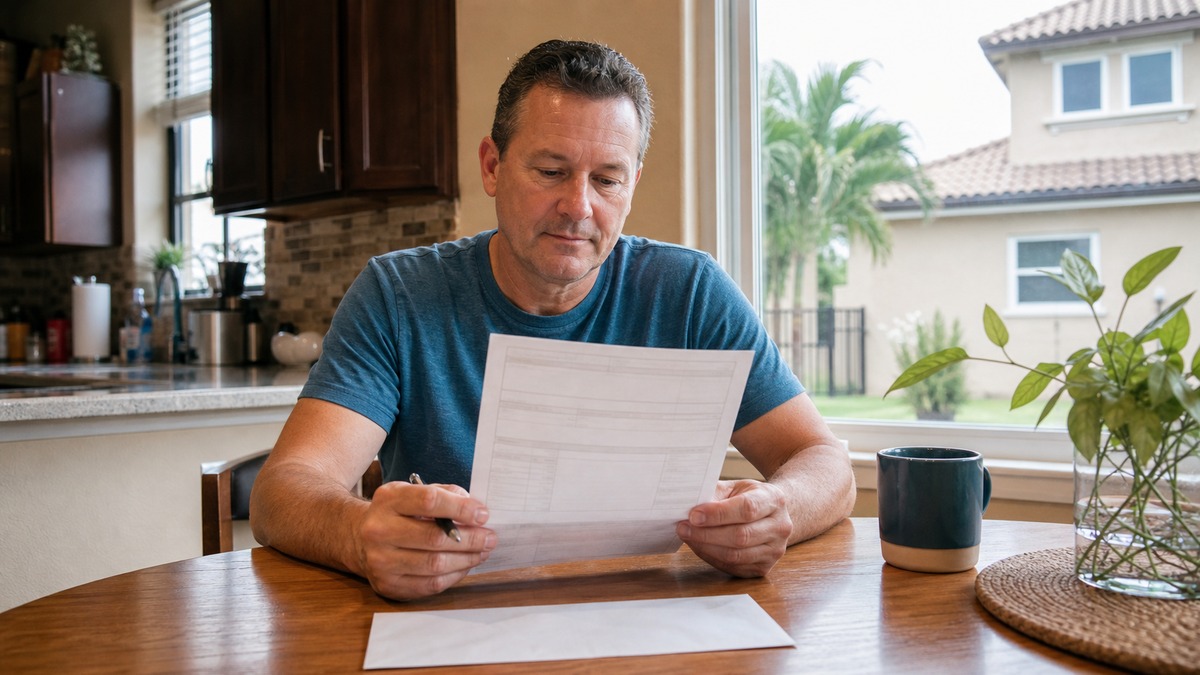
If your TRIM notice just showed up, don’t put it in a drawer. It isn’t a tax bill. It’s your chance to catch a wrong value or a missing exemption before the final bill arrives in November.
Hillsborough County began mailing its 2026 notices on August 13. If you own elsewhere in Tampa Bay, use the deadline printed on your own notice. Check that date first.
Start with the property value
Find the market value for 2026 and compare it with last year’s number. The property appraiser is estimating what the property was worth as of January 1, 2026.
A higher number isn’t automatically wrong. Tampa Bay values can move differently from one neighborhood to another, and recent improvements or a change in ownership may affect the assessment. Still, if the value looks out of line with the property’s condition or comparable sales from before January 1, call the property appraiser’s office and ask how it was determined.
I wouldn’t wait until the last few days. An informal review may clear up the issue without a formal appeal, and you’ll have more time to gather records if it doesn’t.
Check the exemptions and assessment caps
The notice separates market value, assessed value, and taxable value. They sound similar, but they do different jobs.
- Market value is the property appraiser’s estimate of the property’s value as of January 1.
- Assessed value reflects any assessment limits that apply, such as the Save Our Homes cap for a qualifying homestead property.
- Taxable value is what remains after applicable exemptions are subtracted. It may be different for county, school, city, and other taxing authorities because every exemption doesn’t apply to every levy.
Check that the notice shows the exemptions you expect, including homestead, portability, veteran, disability, widow or widower, or qualifying senior exemptions.
New owners should pay close attention here. A prior owner’s assessment cap generally doesn’t carry over after a sale. That means the new tax amount can be much higher than the amount shown on the old listing or the seller’s last tax bill.
Rental-property owners should also make sure the classification and exemption status are accurate. Homestead is tied to an eligible owner’s permanent residence as of January 1. If the way a property is used has changed, ask the property appraiser how that affects the record.
Look at why the proposed tax changed
Your proposed tax can change because of the property value, exemptions, or the tax rates proposed by the county, school board, city, and other taxing authorities.
This is where people often call the wrong office.
- Call the property appraiser about market value, assessed value, exemptions, or property classification.
- Contact the taxing authority about its proposed millage rate or budget. The notice lists its public hearing information.
- Contact the tax collector about the final bill and payment after bills are mailed in November.
A lower millage rate doesn’t always mean a lower tax amount. If the taxable value increased enough, the proposed tax can still rise. Compare the prior-year and proposed columns on the notice instead of looking at the rate by itself.
Also review any non-ad valorem assessments listed on the notice. These can include charges that aren’t calculated from property value, so a value dispute may not affect them.
If something looks wrong, act before the printed deadline
Start by contacting your county property appraiser. Ask for an explanation and be specific about the line you think is wrong.
For a value question, useful records may include a recent appraisal, photos showing the property’s condition on or before January 1, repair estimates, or comparable sales from before January 1. For an exemption question, have the filing confirmation and any documents the office requests.
If the issue isn’t resolved, you may file a petition with the Value Adjustment Board by the deadline printed on your notice. The VAB can hear disputes about assessments and exemptions. It does not set millage rates or decide whether a taxing authority’s budget is too high.
The notice also lists public budget hearings. Those hearings are where you can comment on proposed rates and budgets.
County resources
Use the county where the property is located:
- Hillsborough County 2026 TRIM mailing announcement
- Hillsborough County 2026 TRIM Guide
- Pinellas County Notice of Proposed Property Tax guide
- Pasco County Property Appraiser FAQs
- Florida Department of Revenue TRIM information
Read the notice now, while there’s still time to ask questions and file a petition if you need to.
