
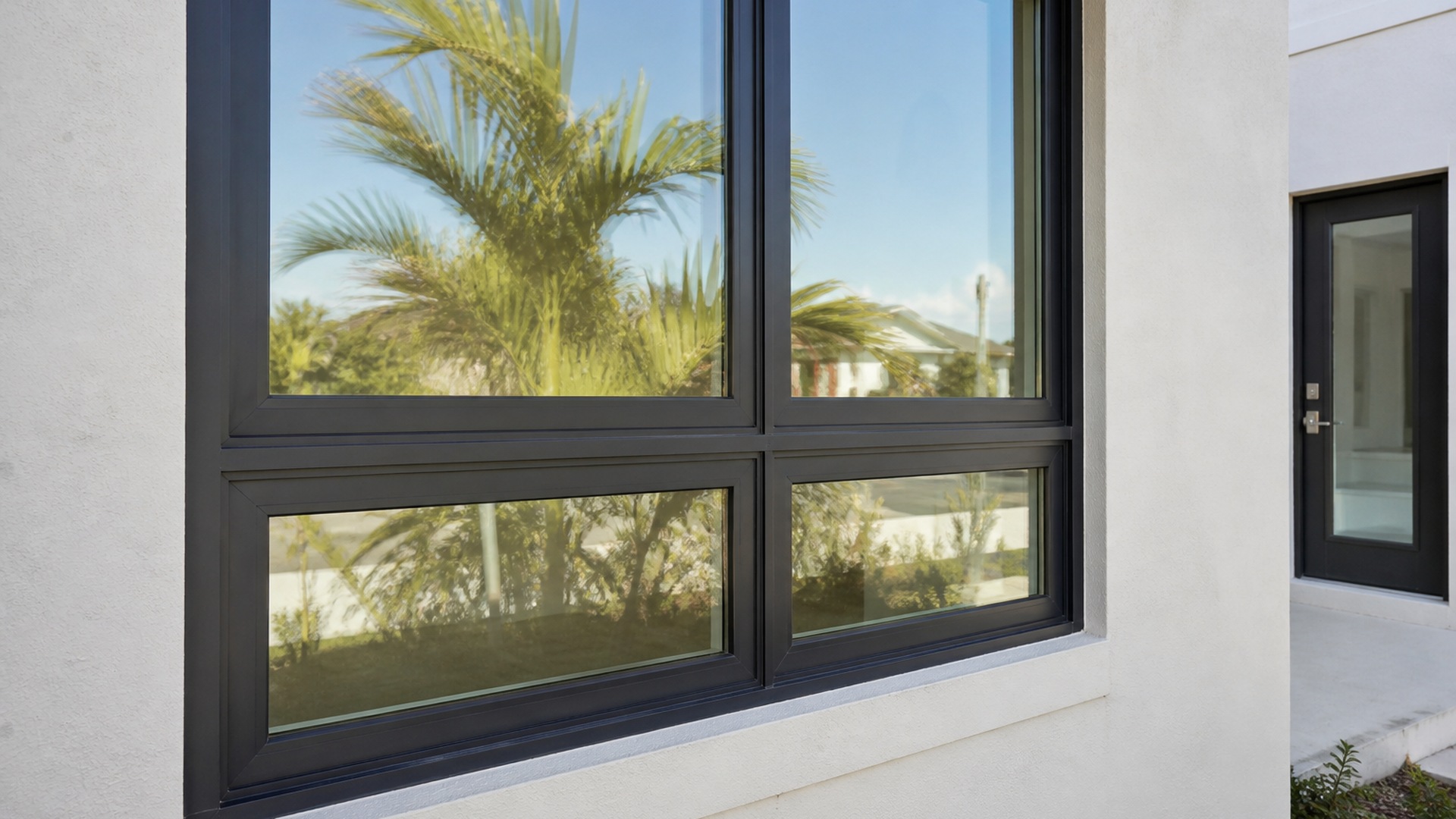
If you’re replacing impact windows, an exterior door, or a garage door, Florida may refund up to $500 of the sales tax paid on qualifying products. The new rules apply to eligible purchases made from July 1, 2026, through June 30, 2029.
The part most likely to catch people off guard is that you still pay the tax first. This is a refund filed with the Florida Department of Revenue, not a discount the store or contractor takes off at checkout.
The quick version
- The home must be a qualifying site-built, homesteaded residence with a just value of $700,000 or less.
- The products must be qualifying impact-resistant windows, exterior doors, or garage doors.
- The owner can claim one eligible property, with a total refund capped at $500.
- You’ll need Florida tax-refund forms and receipts showing the sales tax that was paid.
- If a contractor bought the products, get the right receipt before the project paperwork disappears into someone else’s files.
Who can qualify for the $500 refund
Florida’s Department of Revenue says the claimant must own the eligible property. The home must be site-built, have a homestead exemption, and carry a just value of $700,000 or less.
Mobile homes, manufactured homes, trailers, and homes titled or registered under the vehicle-title chapters listed in the state rule are excluded.
The product also has to meet the state’s definition. The list covers impact-resistant exterior doors, garage-door systems, and windows rated for impact resistance and wind pressure under recognized testing standards. Frames and attachment hardware can qualify when they’re part of the same sale and intended for a compliant installation.
That means a normal replacement window or a door that merely looks heavy-duty isn’t enough. Before buying, ask for the product approval or test documentation and make sure the exact model being installed is the one on the paperwork.
You pay first, then request the refund
The purchase window runs from July 1, 2026, through June 30, 2029. Refund claims must be submitted by September 30, 2029.
The owner files Form DR-26S, Form DR-26HH, and copies of receipts showing the Florida sales tax paid on the qualifying products. The total refund cannot exceed $500, and an owner may claim only one eligible property.
The receipt issue is simple when you buy a window or door directly from a retailer. Keep the receipt showing the product and tax.
A contractor-installed project can be less obvious. If you sign a lump-sum installation contract, the contractor may buy the products from a manufacturer and pay the sales tax there. The state’s example says the homeowner can still apply, but the claim needs the manufacturer’s receipt to the contractor showing the tax paid on the qualifying products.
I would get that addressed in writing before signing the contract. Ask who will purchase the windows or doors, whose name will appear on the receipt, and whether you’ll receive a copy that identifies the products and Florida sales tax. Trying to reconstruct it after the job is finished is avoidable.
My Safe Florida Home is a separate opportunity
The My Safe Florida Home program currently advertises free wind-mitigation inspections and grants of up to $10,000 for approved improvements. It is separate from the sales-tax refund and has its own application order and eligibility rules.
For a free inspection, the program generally requires a site-built, owner-occupied single-family home with a homestead exemption. Grant eligibility adds more conditions. The program says the home must have an insured value of $700,000 or less, must have been built before January 1, 2008, and must receive its initial inspection through the program.
Matching grants provide $2 for every $1 the homeowner contributes, up to a $10,000 state contribution. Qualifying low-income grants may provide up to $10,000 without a matching contribution. Funding and availability depend on legislative appropriations.
The timing rule matters: you must receive grant approval before construction begins. Starting work while the application is pending can disqualify the project from reimbursement. Only improvements recommended in the program’s initial inspection and confirmed in the final inspection are eligible.
Can both programs help with one project?
The tax refund and My Safe Florida Home grant are run under different rules. The official material I reviewed doesn’t say that receiving one automatically makes you ineligible for the other, but I wouldn’t assume every cost can be reimbursed twice or that approval in one program proves eligibility in the other.
Before signing, confirm the project with My Safe Florida Home, the Florida Department of Revenue, and your tax professional if needed. Keep the contract, product approvals, permits, invoices, proof of payment, tax receipts, inspection reports, and any insurer correspondence together.
Will the project lower your insurance premium?
Possibly, but don’t treat a lower premium as automatic. The improvement has to be documented, and the available credit depends on the home, the completed work, the wind-mitigation inspection, and the carrier.
Ask your insurance agent or carrier what documentation they need before construction. After the work is complete, send the final inspection or updated wind-mitigation report and ask for a written quote showing any change.
The same caution applies to resale. Impact-rated openings may make a home easier for some buyers to evaluate, especially when insurance is part of the conversation, but the improvement does not guarantee a dollar-for-dollar increase in value.
How I would approach the project
- Check the property’s homestead status and just value before counting on the tax refund.
- If you want to pursue a My Safe Florida Home grant, apply and complete the required inspection before beginning work.
- Get multiple bids from licensed Florida contractors and compare the exact products, installation scope, permits, warranties, and payment terms.
- Confirm in writing that you’ll receive receipts showing the qualifying products and Florida sales tax, even when the contractor makes the purchase.
- Verify product approvals and permit requirements with the local building department.
- Keep one complete file for the state refund, grant paperwork, final inspection, and insurance review.
I wouldn’t replace every window in a house just to chase a $500 refund. But if the project already makes sense, the refund may offset part of the cost, and the separate grant could be much more meaningful. The expensive mistake would be starting construction before grant approval or finishing the job without the receipts needed for the tax claim.
Official sources
- Florida Department of Revenue: 2026 sales-tax refund rules
- Florida Department of Revenue: Form DR-26HH and filing instructions
- My Safe Florida Home program
- My Safe Florida Home eligibility and grant FAQs
Program funding, forms, and eligibility can change. Verify the current rules before purchasing products or beginning construction. This article is general information, not tax, legal, insurance, or construction advice.
