
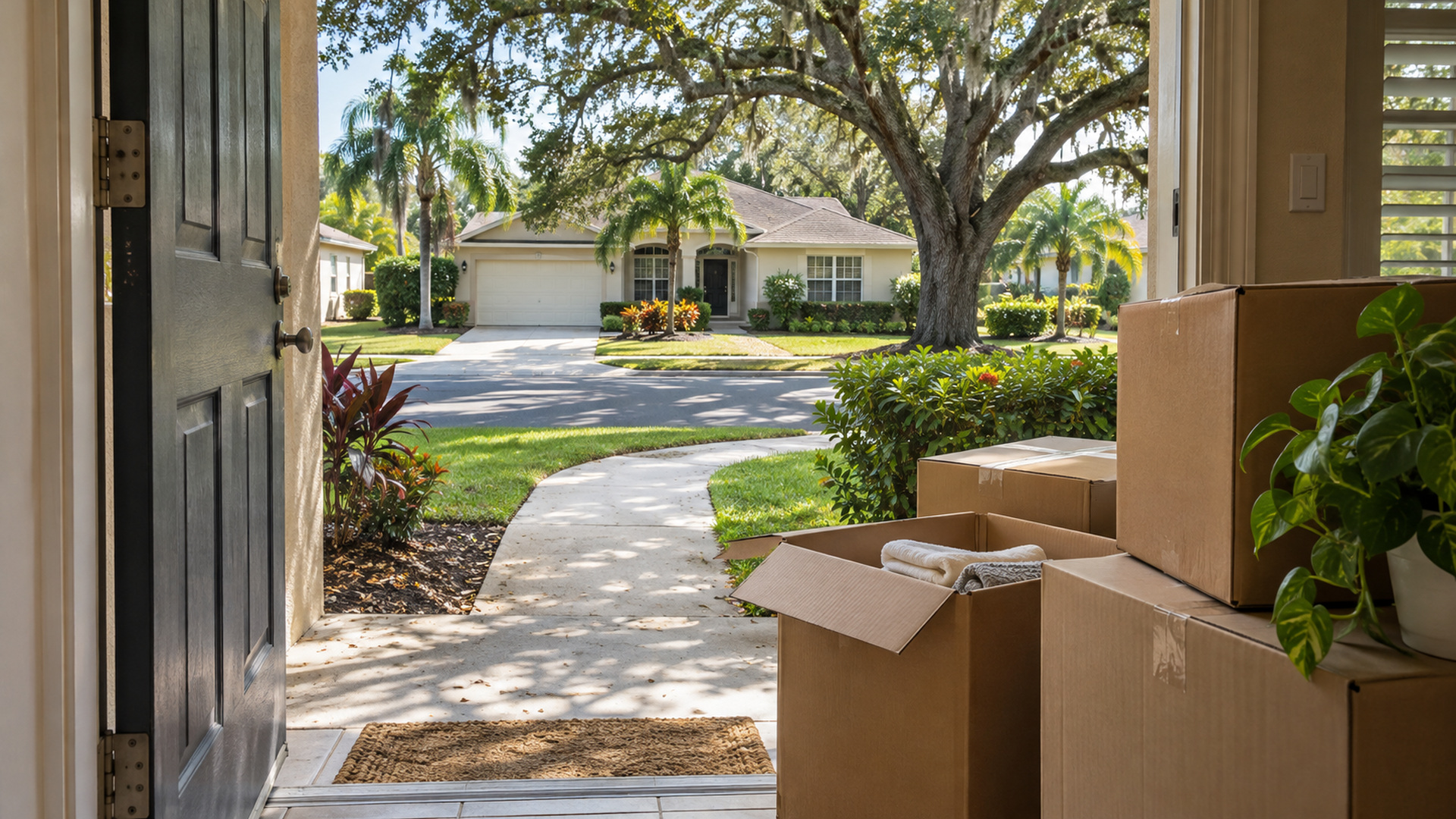
If you need the money from your current home to buy the next one, selling first is usually the safer place to start. You know what you have to spend, and you aren’t relying on a future sale to cover two homes.
Buying first can still make sense when your lender approves the financing and you have enough cash to carry both properties longer than expected. The convenience of moving once has a cost. Before choosing it, work out how long you could comfortably keep paying if your old home doesn’t sell on schedule.
I’d start with the money and the backup plan, before building the move around a particular house.
1. Find out when you need the sale money
Equity isn’t the same as cash available for the next purchase. Your mortgage payoff, selling expenses, buyer credits and other obligations reduce what you receive at closing.
Start with an estimated seller net sheet, then have the lender review two versions of your purchase: one after your current home closes and one while you still own it. Ask for the cash needed and the qualification requirements in each case, not just a maximum purchase price.
Separate money needed before closing, such as the deposit and inspections, from money needed at closing for the down payment and settlement costs. Keep moving expenses and an emergency reserve separate too. A future sale doesn’t help with a bill that’s due before the proceeds become available.
If you’re coordinating closings, ask the title company and lender when the sale funds must be received and usable for the purchase. Signing the first set of documents isn’t a guarantee that the second closing can happen immediately afterward.
Selling first
This removes uncertainty about the final sale price and proceeds before you commit to the next purchase. It can also mean temporary housing, storage and moving twice. Price those arrangements before accepting a closing date, especially if you have pets or need a furnished rental.
Buying first
You can move into the next home before preparing the old one for sale. That can make showings easier, but it leaves you responsible for both properties until the sale closes.
Some buyers consider a bridge loan to access equity before selling. It’s additional debt, not an early distribution of guaranteed proceeds. Ask a lender that actually offers the product about fees, payments, collateral, the payoff deadline and what happens if the sale takes longer or brings in less money. Chase’s educational explanation of bridge loans describes the mechanics and risks; Chase explicitly says it doesn’t offer them.
Don’t take on new financing without checking how it affects approval for your next mortgage.
2. Compare temporary housing with overlapping ownership
Compare the extra cash each sequence requires. For buying first, include the old home’s payment, taxes and insurance, plus utilities and upkeep during the overlap. Don’t count taxes and insurance twice if they’re already in the mortgage payment.
For selling first, get actual temporary-housing and storage quotes, including minimum stays, deposits and an extra move. A refundable deposit may not be a final expense, but you still need the cash upfront.
A hypothetical comparison
These are invented planning figures, not Tampa Bay quotes or a loan offer. They compare extra cash needed for the transition, excluding purchase closing costs, the down payment and ordinary ongoing housing costs after the move.
| Extra transition cash | Sell first | Buy first |
|---|---|---|
| Monthly amount | $2,600 temporary housing including utilities, plus $250 storage | $2,200 old-home payment including taxes and insurance, plus $150 utilities and $150 upkeep |
| One-time amount | $1,500 for the additional move | $2,500 assumed financing fees |
| Two-month total | $7,200 | $7,500 |
| Four-month total | $12,900 | $12,500 |
The buy-first figures assume that the new home’s ordinary costs are funded separately and that the old-home carrying amounts and one-time financing fee capture the modeled overlap. Any additional bridge-loan interest or payments must be added. Mortgage principal is included because this is a cash-budget comparison, even though paying principal builds equity rather than being a pure expense.
The example doesn’t establish which option is cheaper for you. Replace every assumption with your own quotes and loan terms. The gap between selling and finding the next home may also be a different length from the overlap when buying first.
Test a longer delay and lower sale proceeds. If buying first only works when the home sells quickly at your preferred price, I’d be cautious about committing to that sequence.
3. Understand what the contract protects
A coordinated move doesn’t always require owning two homes. You may be able to negotiate a purchase that depends on selling or closing your current home, or negotiate time to remain after your sale.
The National Association of REALTORS® contingency guide distinguishes two conditions:
- A home-sale contingency gives a buyer time to sell the current home before completing the next purchase.
- A home-close contingency addresses completing a sale that’s already under contract before buying the next home.
The contract wording controls. Before signing, understand the deadlines, notice requirements, cancellation rights and deposit consequences. A sale contingency isn’t automatic protection simply because everyone knows you need to sell.
A seller may also request a kick-out provision that lets them consider another offer and requires you to respond under the agreed terms. Don’t assume you can remove a contingency safely because the lender once issued a preapproval. Confirm you can actually complete the purchase without the sale proceeds before giving up that protection.
Staying after you sell
A negotiated post-closing occupancy arrangement, often called a rent-back, can shorten or avoid a temporary-housing gap. The buyer has to agree; you don’t automatically get extra days after closing.
Put the move-out deadline, payment, any security deposit or escrow holdback, utilities, property condition and responsibility for damage in writing. Ask the buyer’s lender and the relevant insurers whether the proposed arrangement is acceptable. An attorney can advise on the agreement and what happens if someone doesn’t perform.
Also decide where you’ll go if your next purchase falls through. Staying in your former home indefinitely isn’t a backup plan.
4. Build the move around both properties
Your current home and next home may face very different competition, even within Tampa Bay. A condo sale and a single-family purchase need separate assessments of price, financing requirements and likely timing. Don’t use an area-wide average as a promise about either closing date.
Get an insurance estimate for the specific next property early, including any flood-insurance requirement or coverage you’re considering. Review association costs and approval requirements where applicable. Use a new-owner property-tax estimate rather than assuming the seller’s existing tax bill will become yours.
Check Florida homestead portability before setting the dates
If you’re moving from one Florida homestead to another, you may qualify to transfer some or all of your Save Our Homes assessment difference. That is an assessment benefit, not a transfer of your old tax bill or a promise of the same annual taxes.
The Florida Department of Revenue portability brochure says you must establish the new homestead exemption within three years of January 1 of the year you abandoned the old homestead. It specifically warns that this is not three years after the sale. The regular filing deadline for the homestead application and portability form is March 1.
Have the property appraiser for your new home’s county confirm eligibility, the applicable dates and the required applications. Do this while planning the move, especially when temporary housing may carry you across a January 1. Don’t assume closing on a home automatically establishes the exemption or transfers the benefit.
Put the fallback on the calendar
Before making an offer or agreeing to your sale’s closing date:
- Confirm financing and cash needs for the sequence you intend to use.
- Estimate sale proceeds and identify which purchase expenses depend on them.
- Price temporary housing or set a limit on how long you can carry both homes.
- Coordinate contract deadlines, funding, possession and the physical move with the people handling each transaction.
- Write down what changes if either closing is delayed. Keep backup accommodation available until you know the agreed possession dates can be met.
If neither sequence leaves enough cash for a delay, waiting or changing the next-home budget may make more sense than trying to force the dates together.
Questions about buying and selling at the same time
Can I buy my next home if I need the money from selling my current one?
Possibly. Selling first gives you the proceeds before buying. Another route may involve an accepted sale or closing contingency, or financing your lender approves. Confirm both qualification and the timing of available funds before committing; equity alone doesn’t pay the next down payment.
What’s the difference between a home-sale and a home-close contingency?
A home-sale contingency allows time to sell your current home. A home-close contingency addresses completing an existing sale contract. The actual agreement determines deadlines and remedies. Have your agent explain the terms and an attorney address legal questions before you rely on either condition.
Can I stay in my house after closing while I wait for the next home?
Only if the buyer agrees to a documented arrangement that’s acceptable to the relevant lender and insurers. Negotiate the move-out date, payment and responsibilities before closing. Keep another housing option in case your next purchase doesn’t happen.
How does Florida homestead portability work if I sell before I buy?
You may be able to transfer an eligible Save Our Homes assessment difference to a new Florida homestead. The state’s timing rule runs from January 1 of the year the former homestead was abandoned, not simply from the sale date. Your county property appraiser can confirm the benefit, eligibility and filing dates for your move.
Need your current home to fund the next one?
Bring me your current address, next-home budget and intended move date. I’ll help estimate the sale proceeds and compare the timing with your lender-approved options before you commit. Talk through your sale and next move with me.
This article is general information, not legal, tax, insurance or lending advice. Your contract, lender, insurer and county property appraiser determine the requirements that apply to your situation.